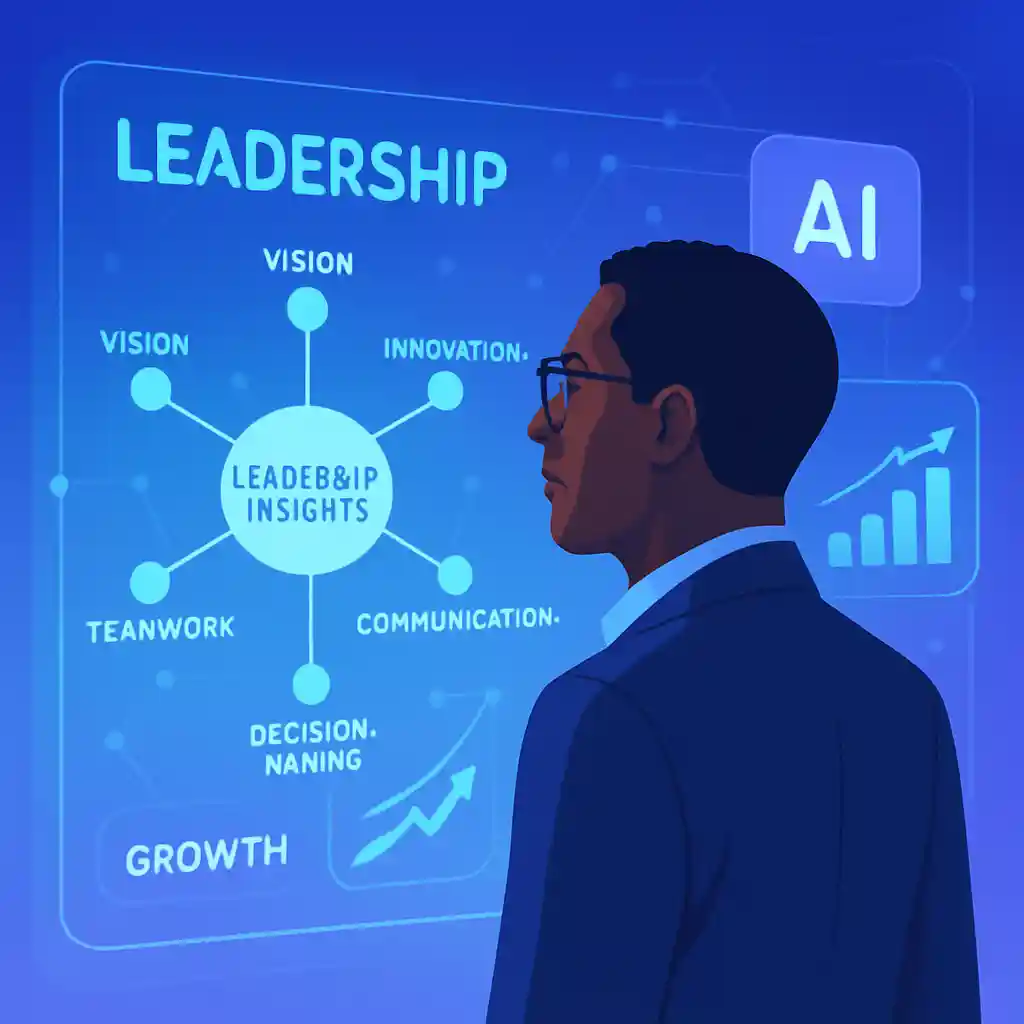
If you’ve ever wondered whether technology can help you become a better leader, you’re not alone. Can AI help fix my leadership weaknesses? The answer is increasingly yes. AI-powered leadership assessment platforms are changing how students, new managers, and executives identify blind spots and build stronger leadership skills. Unlike expensive traditional assessments, AI tools offer accessible, privacy-focused ways to understand your leadership gaps and create personalized improvement plans. This guide explores how AI assessments work, what weaknesses they can help you address, and whether they’re worth your time and investment.
Understanding Common Leadership Weaknesses
Before AI can help, you need to understand what leadership weaknesses actually look like. Research shows that trust in managers dropped dramatically from 46% in 2022 to just 29% in 2024. This decline highlights how common leadership struggles have become.
The most frequent weaknesses include poor communication, micromanagement, and lack of emotional intelligence. About 30% of employees who quit their jobs in 2024 cited poor company leadership as a key reason. That statistic shows just how much leadership issues affect organizations.
Think about a student leading their first group project. They might struggle to delegate tasks because they worry others won’t do the work properly. Or consider a first-time manager who avoids giving feedback because they want their team to like them. These are classic leadership weaknesses that hold people back.
Other common gaps include failing to set clear expectations, being overly critical, and struggling with decision-making under pressure. The good news? Most of these weaknesses can be identified and improved with the right tools and commitment.
How AI Identifies Leadership Weaknesses
AI assessments work differently than having a conversation with your boss or mentor. They analyze your responses to specific scenarios and questions, comparing your answers against patterns from thousands of other leaders. This helps spot blind spots you might not see yourself.
The technology looks at multiple leadership dimensions: communication style, decision-making approaches, conflict resolution, delegation habits, and emotional management. AI training has been shown to improve skill acquisition by up to 20% over traditional methods. This improvement comes from the personalized, data-driven approach AI provides.
Platforms like RuleYourMind use AI to produce detailed leadership reports comparable to expensive 360-degree assessments. The difference is you can complete these assessments on your phone during a lunch break, and your data stays private. No awkward conversations with coworkers or managers about your weaknesses.
The AI doesn’t just identify problems. It connects the dots between different weaknesses and shows you which areas to prioritize. For instance, it might reveal that your micromanagement tendency stems from poor trust-building skills rather than perfectionism.
Can AI Really Fix Your Leadership Weaknesses?
Here’s the honest answer: AI can’t fix your weaknesses for you, but it can give you the roadmap to fix them yourself. The key is what you do with the insights.
Organizations investing in leadership development see 25% better business outcomes. Those results show that focused improvement efforts work when leaders have clear guidance on what to improve.
AI excels at three things that traditional methods struggle with. First, it removes bias from the assessment process. Second, it creates customized action plans based on your specific situation. Third, it makes professional-level insights affordable for students, interns, and first-time managers who can’t access expensive coaching.
Consider how understanding your leadership style through assessment helps you recognize patterns. When a team lead realizes they consistently avoid difficult conversations, they can start practicing small confrontations in low-stakes situations. The AI provides the awareness and specific steps to improve.
Leadership development programs show an impressive ROI, with research indicating returns ranging from $3 to $11 for every dollar invested, with an average of $7. This return demonstrates that investing time in addressing weaknesses pays off significantly.
AI-Powered vs. Traditional Leadership Assessments
Traditional 360-degree assessments gather feedback from your colleagues, managers, and direct reports. They’re valuable but expensive and time-consuming. Many professionals can’t access them until they reach senior positions.
AI assessments offer similar depth at a fraction of the cost. While tools like traditional 360-degree leadership assessments remain the gold standard for comprehensive feedback, AI platforms bridge the gap for those without access to these resources.
Organizations globally invest an estimated $60 billion annually in leadership development. That investment shows the importance placed on developing strong leaders. However, the workplace application of learning is typically low, which is why personalized, actionable insights matter so much.
RuleYourMind and similar platforms make assessment accessible on any device. You get detailed reports, customized action plans, and even career-fit insights without coordinating schedules with multiple people or worrying about workplace politics affecting your feedback.
The trade-off is that AI can’t capture the nuance of your specific workplace relationships. It works best when combined with real-world practice and occasional human mentorship.
Getting Started with AI Leadership Assessments
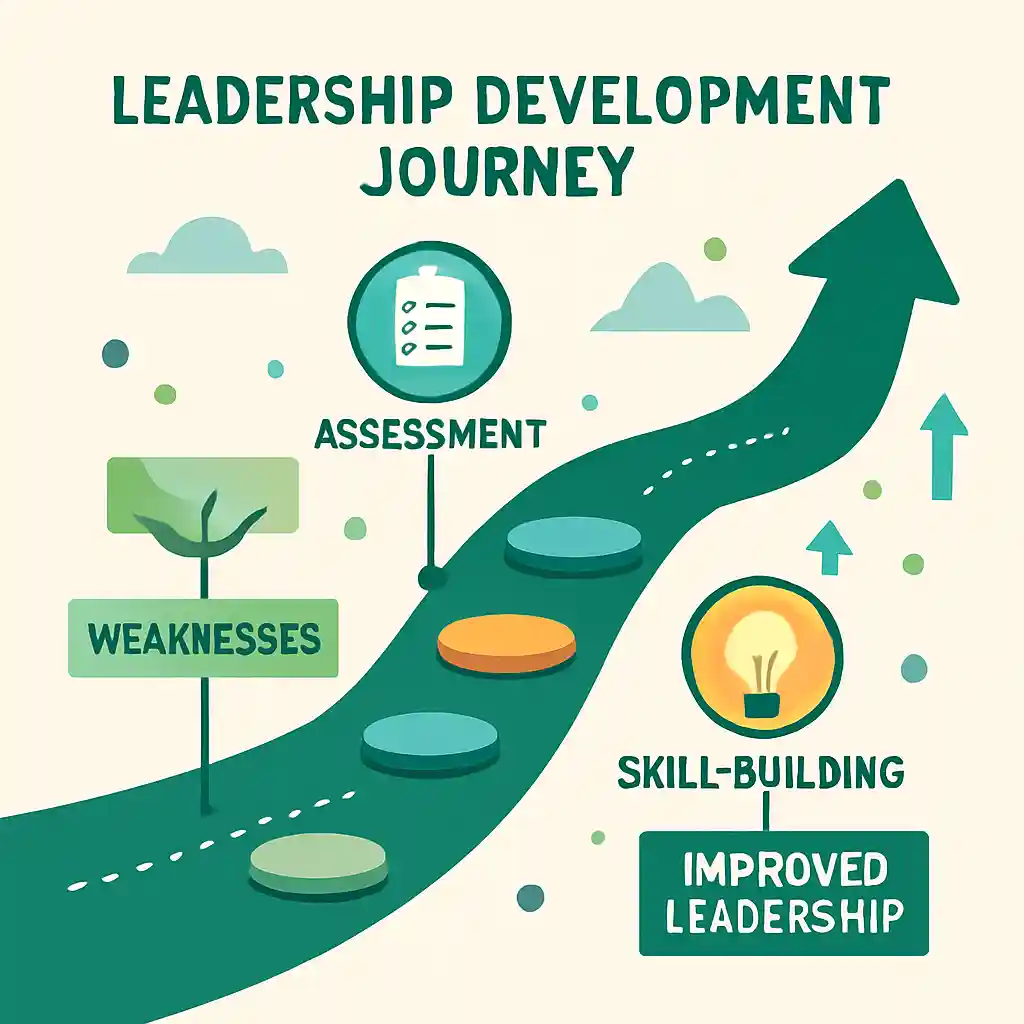
Starting with AI assessment tools is straightforward. Most platforms walk you through scenarios and questions about how you handle common leadership situations. Be honest in your responses because the AI can only help if it understands your actual patterns, not your ideal self.
After completing the assessment, you’ll receive a report highlighting your strongest areas and biggest weaknesses. The best platforms don’t just list problems. They explain why these weaknesses matter and how they might be holding you back from specific goals.
For students leading clubs or group projects, focus on communication and delegation weaknesses first. These skills transfer to every leadership situation you’ll encounter. First-time managers should prioritize feedback delivery and conflict resolution since these are the areas where new managers struggle most.
RuleYourMind includes negotiation tactics as part of its leadership insights, which is particularly useful when you’re trying to advocate for resources or navigate workplace dynamics. Understanding how leadership assessments work helps you choose the right platform for your needs.
Set aside time each week to work on one specific weakness. Trying to fix everything at once leads to burnout and minimal progress. The AI can help you sequence improvements in a logical order.
Measuring Your Leadership Improvement
How do you know if the AI insights are actually helping? Look for concrete changes in outcomes rather than just feelings of improvement.
Track specific metrics like how often team members come to you with questions, how many conflicts you successfully resolve, and whether projects finish on time. First-time manager training delivers a 29% ROI in three months and a 415% annual return. These numbers show that focused leadership improvement creates measurable results quickly.
Ask for informal feedback from people you lead. You don’t need a formal 360 review. Simple questions like “Have you noticed any changes in how I communicate lately?” or “Do you feel like I’m delegating more effectively?” provide valuable insight.
Consider retaking the AI assessment every three to six months. Comparing your results over time shows whether your targeted improvements are working. Most people see their weakest areas improve by at least one level within six months of focused effort.
Remember that only 10% of people are natural leaders, but another 20% show leadership potential with proper training. This statistic means most of us need deliberate practice and good feedback to develop leadership skills. AI assessments provide that feedback loop without requiring expensive consultants.
Frequently Asked Questions
Can AI help fix my leadership weaknesses if I’m just starting out?
Absolutely. AI assessments are actually more helpful early in your leadership journey because they help you avoid developing bad habits. Students and first-time managers benefit most from early identification of weaknesses before they become ingrained patterns. The key is being honest in your self-assessment and actually implementing the suggested changes.
How accurate are AI leadership assessments compared to traditional methods?
AI assessments are quite accurate for identifying patterns and weaknesses, especially when they’re built on solid research and tested against large datasets. They excel at removing personal bias and providing consistent evaluation criteria. However, they work best when supplemented with real-world feedback from colleagues and mentors who know your specific context.
What leadership weaknesses can AI assessments identify most effectively?
AI is particularly good at spotting communication issues, delegation problems, decision-making patterns, and emotional intelligence gaps. These areas have clear behavioral indicators that algorithms can analyze. AI is less effective at assessing highly contextual skills like political navigation within specific organizations or industry-specific leadership nuances.
How much time does it take to see improvement in my leadership weaknesses?
Most people notice initial changes within 4-6 weeks of focused effort on a specific weakness. Measurable improvement in team outcomes typically appears within 2-3 months. Complete transformation of major weaknesses usually takes 6-12 months of consistent practice. The timeline depends on the weakness severity, your commitment level, and how much opportunity you have to practice new behaviors.
Are AI-powered leadership assessments worth the investment?
For most people, yes. Traditional 360-degree assessments can cost hundreds or thousands of dollars, while AI platforms typically cost much less or offer free basic assessments. Given that leadership development shows ROI ratios of 3:1 to 11:1, even modest improvements in your leadership effectiveness can pay for the assessment many times over through career advancement and better team results.
Do I need technical skills to use AI leadership assessment tools?
Not at all. Modern AI assessment platforms are designed for ease of use. If you can fill out an online survey or use a smartphone app, you can complete an AI leadership assessment. The technology runs in the background while you simply answer questions about your leadership situations and preferences. The reports are presented in plain language without technical jargon.
Moving Forward with AI-Enhanced Leadership Development
So, can AI help fix your leadership weaknesses? The evidence suggests it can be a powerful tool in your development toolkit. AI assessments excel at identifying blind spots, creating personalized improvement plans, and making professional-level insights accessible regardless of where you are in your career.
The technology can’t replace human mentorship, real-world practice, or the hard work of changing ingrained habits. But it can accelerate your progress by giving you clear direction on what to improve and how to do it.
Whether you’re a student leading your first project, a manager navigating new responsibilities, or an executive looking to refine your approach, AI-powered assessment platforms offer an affordable way to understand and address your leadership gaps. The key is choosing a platform that provides detailed, actionable insights rather than just generic advice.
Ready to discover your leadership blind spots? Consider trying an AI-powered assessment platform like RuleYourMind. With privacy-focused self-assessments accessible from any device, you can get professional-level insights into your leadership strengths and weaknesses without the high cost or scheduling hassles of traditional assessments. Your future as a more effective leader might be just one assessment away.