
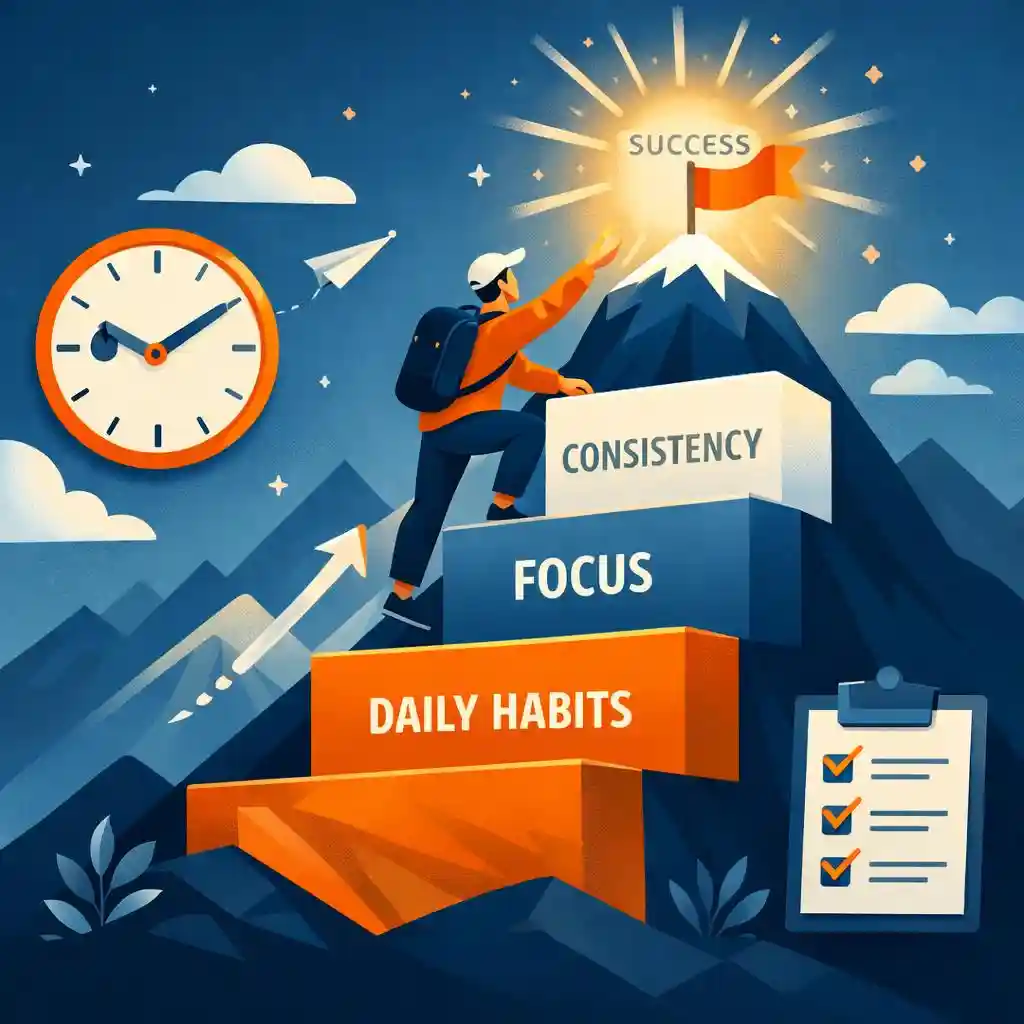
What is discipline, and why does it matter so much in your daily life? Whether you’re a student trying to finish homework, a first-time manager leading a team, or an executive making tough decisions, discipline shapes your path to success. It’s the invisible force that helps you do what needs to be done, even when you don’t feel like it. Unlike talent or intelligence, discipline is something you can develop and strengthen over time, making it one of the most valuable skills you’ll ever build.
Understanding What Discipline Really Means
At its core, discipline is the ability to control your actions, emotions, and decisions to achieve your goals. Think of it as the bridge between what you want and what you’re willing to do to get there. When you choose to study instead of scrolling through social media, or stick to your morning workout instead of hitting snooze, that’s discipline in action.
Discipline isn’t about being perfect or never making mistakes. It’s about making consistent choices that move you forward, even when it’s uncomfortable. Research shows that self-discipline outperforms intelligence in predicting academic success during adolescence, highlighting just how powerful this skill truly is.
What makes discipline different from simple willpower? Willpower is like a burst of energy that helps you resist temptation in the moment. Discipline is the long-term system you build that makes those choices easier over time. It’s the difference between forcing yourself to study once and developing a study habit that feels automatic.
The Different Types of Discipline
Discipline shows up in different ways depending on the situation. Understanding these types helps you recognize where you’re strong and where you need work.
Self-Discipline: This is personal control over your thoughts, feelings, and actions. When you’re working on a long-term project with no one watching, self-discipline keeps you going. It’s what helps you resist distractions and stay focused on what matters. Students who practice self-discipline tend to manage their time better and work harder toward their goals.
Workplace Discipline: In professional settings, discipline means following established rules, meeting deadlines, and maintaining standards. Companies with transparent and consistent disciplinary systems have 20% higher employee retention rates, according to the US Bureau of Labor Statistics. This shows how organizational discipline creates stable, productive environments.
Mental Discipline: This involves controlling your thoughts and maintaining focus. For managers making strategic decisions or students preparing for exams, mental discipline helps you think clearly under pressure. It’s the ability to stay calm when things get hectic and make rational choices instead of emotional ones.
Why Discipline Matters More Than You Think
The impact of discipline extends far beyond simply completing tasks. A landmark 40-year study following over 1,000 people found that childhood self-control predicts adult outcomes as strongly as intelligence or family socioeconomic status. The research connected early discipline to better health, higher income, and stronger relationships in adulthood.
In the workplace, discipline becomes even more critical for leaders. While 83% of companies say developing leaders is crucial, many organizations struggle to find people with the discipline to follow through on strategic initiatives. Leaders need discipline to make tough decisions, stick to long-term plans, and model the behavior they expect from their teams.
For students, discipline creates a foundation for academic success. It helps you show up to class, complete assignments on time, and study effectively. These habits don’t just help you get good grades—they prepare you for the self-directed work required in college, internships, and careers. The student who develops strong study discipline in high school finds college much more manageable.
What makes discipline so powerful is that it compounds over time. Each disciplined choice makes the next one slightly easier. When you stick to your commitments consistently, you build confidence in your ability to follow through. This creates a positive cycle that accelerates your progress toward any goal.

Discipline in Action: Real-World Examples
Let’s look at how discipline plays out in everyday situations you might recognize.
Consider Sarah, a college student balancing classes and a part-time job. She sets a rule: no phone during study sessions. This simple act of discipline helps her finish homework faster and retain information better. When exam week arrives, she’s prepared because she built the habit of focused work throughout the semester.
Or take Marcus, a new team leader at a marketing firm. He commits to weekly one-on-one meetings with each team member, even when projects get busy. This discipline in communication helps him catch problems early, support his team effectively, and build trust. His team performs better because he maintains these standards consistently.
Then there’s the president of a student organization who disciplines herself to prepare agenda items before every meeting. This preparation might take only 15 minutes, but it transforms chaotic gatherings into productive sessions that respect everyone’s time. Members notice and appreciate the difference.
These examples share a common thread: discipline isn’t about grand gestures. It’s about small, consistent actions that create meaningful results over time. The student who reviews notes for 20 minutes daily outperforms the one who crams for hours the night before. The manager who addresses small issues promptly prevents bigger problems later.
How to Build and Strengthen Your Discipline
Good news: discipline isn’t something you’re born with or without. It’s a skill you develop through practice. Here’s how to start building stronger discipline today.
Start Small and Build Gradually: Don’t try to overhaul your entire life at once. Pick one area where you want more discipline. Maybe it’s waking up 30 minutes earlier or spending one hour each evening on professional development. Master that before adding more.
Create Clear Routines: Discipline becomes easier when it’s part of a routine. A student might create a homework routine: same time, same place, same process every day. A manager might establish a morning routine of reviewing priorities before checking email. Routines reduce the mental energy needed to make disciplined choices.
Remove Temptations: Make the undisciplined choice harder. If you’re distracted by your phone during work, put it in another room. If you struggle with procrastination, use website blockers during focus time. Change your environment to support your goals.
Track Your Progress: Write down your commitments and check them off. This simple act provides motivation and accountability. Many people find that tracking progress makes discipline feel less like sacrifice and more like achievement.
Practice Self-Compassion: You’ll slip up sometimes. That’s normal and expected. The disciplined response to a setback isn’t harsh self-criticism—it’s getting back on track the next day. Treat yourself as you would encourage a friend who’s working hard to improve.
Measuring Your Discipline and Leadership Potential
Understanding your current discipline level helps you set realistic goals for improvement. However, despite 77% of organizations reporting leadership gaps, many people never assess their leadership capabilities or discipline systematically.
Traditional leadership assessments can cost thousands of dollars and require extensive time commitments. They often measure discipline through questions about work habits, goal achievement, and self-regulation. These assessments help identify areas where your discipline is strong and where it needs development.
For students and emerging leaders, accessible assessment tools matter. Leadership potential assessments can reveal how your current discipline levels translate to leadership capability. They examine whether you have the self-control needed for decision-making under pressure and the consistency required to inspire teams.
RuleYourMind offers an affordable alternative to expensive assessment programs. This AI-powered platform provides detailed reports on your discipline, self-control, and leadership capabilities without the high cost. You can access comprehensive insights about your strengths and development areas from any device, making professional-level assessment available to students, first-time managers, and executives alike.
The platform generates customized action plans based on your results, helping you build discipline in the specific areas that matter most for your goals. Whether you need to strengthen academic discipline, workplace consistency, or leadership presence, RuleYourMind’s insights can guide your development journey. For managers seeking deeper insights into their teams, 360 assessments for managers provide valuable feedback from multiple perspectives.
Frequently Asked Questions
What is discipline in simple terms?
Discipline is the ability to do what you should do, when you should do it, whether you feel like it or not. It’s controlling your actions to match your goals instead of your immediate feelings.
Can discipline really be learned, or are some people just naturally disciplined?
Discipline is definitely a learned skill. While some people may have advantages from their upbringing, anyone can develop stronger discipline through practice and the right strategies. Your brain actually strengthens the neural pathways associated with self-control when you practice disciplined behavior regularly.
How long does it take to build a disciplined habit?
Research suggests it takes anywhere from 18 to 254 days to form a new habit, with 66 days being the average. The key is consistency. Start with something manageable and stick with it daily. The habit becomes easier each time you repeat it.
What’s the difference between discipline and motivation?
Motivation is the feeling that makes you want to do something. Discipline is what keeps you going when motivation fades. Motivation gets you started; discipline keeps you going. Successful people don’t rely on feeling motivated—they rely on their disciplined systems.
How can managers build discipline in their teams?
Managers build team discipline by setting clear expectations, modeling disciplined behavior themselves, and creating systems that support consistent performance. This includes regular check-ins, clear deadlines, and celebrating when team members demonstrate discipline in meeting commitments.
Why do I struggle with discipline even when I know what I should do?
This gap between knowing and doing is common. Often it happens because your environment isn’t set up to support discipline, you’re trying to change too much at once, or you haven’t connected your actions to meaningful long-term goals. Start by identifying the biggest obstacle to your discipline and address that specific issue first.