
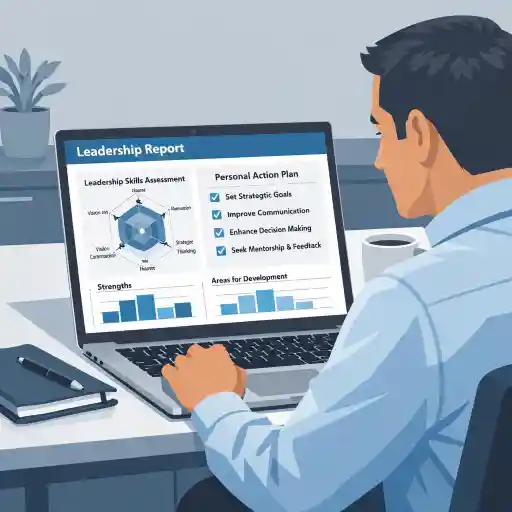
If you’ve ever wondered what is leadership coaching and whether it applies to you, you’re not alone. Whether you’re running a school club, stepping into your first management role, or leading a team of fifty people, leadership coaching is one of the most practical tools you can use to grow faster and lead better. This guide breaks down exactly what it is, how it works, and how to get started—even on a tight budget.
What Is Leadership Coaching, Really?
Leadership coaching is a structured process where a coach helps you identify your leadership strengths, blind spots, and goals—then works with you to close the gaps. It’s not a class, a lecture, or a performance review. It’s a focused, ongoing conversation designed to make you a more effective leader.
Think of it like having a personal trainer, but for how you communicate, make decisions, handle conflict, and motivate others. The coach doesn’t do the work for you. They ask the right questions, hold you accountable, and help you see yourself more clearly.
Leadership coaching can happen one-on-one with a certified coach, in small groups, or even through digital tools and self-assessments. The format varies, but the goal is always the same: better leadership outcomes.
How Does Leadership Coaching Work?
Most leadership coaching follows a simple cycle: assess, reflect, act, and review. First, you identify where you are right now as a leader. Then you reflect on patterns—what’s working, what isn’t, and why. Next, you take targeted action. Finally, you review your progress and adjust.
In a typical one-on-one coaching engagement, sessions run 45 to 60 minutes, usually every two to four weeks. A coach might use structured frameworks, personality profiles, or feedback from colleagues to guide the work. According to the International Coaching Federation, clients who work with professional coaches report improved self-confidence, better communication, and stronger work performance. Source: ICF Global Coaching Study
Digital platforms have made this process more accessible. Instead of waiting months for a formal program, you can now start with a self-assessment and get a personalized action plan within minutes.
Who Needs Leadership Coaching?
Short answer: almost anyone in a leadership role—or heading toward one. You don’t need a corner office to benefit from leadership coaching.
Consider these scenarios:
- Students: If you’re president of a campus organization or leading a group project, coaching helps you build skills before you ever reach the workplace.
- Interns and early-career professionals: You’re trying to make an impression. Knowing your leadership style gives you an edge in how you show up in meetings and on teams.
- First-time managers: This is one of the most common use cases. Managing people for the first time is hard. Research from Gallup shows that managers account for at least 70% of the variance in employee engagement scores. Source: Gallup Getting coaching early sets the right foundation.
- Team leads and senior managers: As responsibility grows, so does complexity. Coaching helps experienced leaders stay sharp and avoid the habits that plateau careers.
- Executives: At the top, the stakes are high and honest feedback is rare. Coaching provides a confidential space to think through big decisions and develop strategic leadership skills.
In short, if you lead people—or want to—leadership coaching is relevant to you. See our full breakdown of leadership assessment and development to understand how coaching fits into a broader growth plan.

What Are the Real Benefits of Leadership Coaching?
Leadership coaching isn’t just about feeling more confident. The results show up in concrete, measurable ways.
Better self-awareness. You can’t improve what you don’t understand. Coaching forces you to look honestly at how others experience your leadership. This is uncomfortable at first—and incredibly valuable.
Stronger communication. Most leadership problems are communication problems. Coaching helps you learn how to adapt your style depending on who you’re talking to—a direct report, a senior executive, or a client.
Faster career growth. Leaders who invest in development tend to move up faster. A study by MetrixGlobal found that executive coaching produced a 529% return on investment when accounting for increased productivity and employee retention. Source: ICF / MetrixGlobal
Better decisions under pressure. Coaching helps you recognize your instincts, understand your biases, and slow down in high-stakes moments.
Higher team performance. When a leader improves, the whole team feels it. Coaching creates a ripple effect that shows up in retention, morale, and output.
Leadership Coaching vs. Leadership Assessment: What’s the Difference?
These two terms often get used together, but they’re not the same thing. Understanding the difference helps you choose the right tool at the right time.
A leadership assessment is a diagnostic. It tells you where you stand—your strengths, your gaps, your natural tendencies as a leader. Think of it as a detailed map of who you are as a leader right now. Tools like 360-degree feedback surveys or validated personality instruments fall into this category. You can learn more in our complete leadership assessment guide.
Leadership coaching is the journey. It takes the insights from an assessment and turns them into an action plan, then walks you through it over time. Coaching without assessment is like driving without a map. Assessment without coaching is like having a map but never leaving the house.
The most effective approach combines both. Start with a strong assessment, then use coaching—whether with a human coach or a structured digital program—to act on what you learn.
Some platforms, like BetterUp, offer coaching at scale for larger organizations. For individuals or smaller teams looking for an affordable starting point, leadership development and coaching tools have become much more accessible in recent years.
How to Get Started Without Breaking the Bank
Traditional executive coaching can cost anywhere from $200 to $500 per hour or more. For most students, early-career professionals, and small business managers, that’s simply not realistic.
Here’s a practical path to getting started:
- Start with a self-assessment. Before you invest in any coaching, understand your baseline. A quality self-assessment tells you where your energy is best spent.
- Get a detailed report. Don’t settle for a five-line personality summary. Look for assessments that give you nuanced insights on your leadership style, communication tendencies, and areas of growth.
- Follow a structured action plan. Insights mean nothing without next steps. A good coaching resource will tell you not just what to improve, but how.
- Track your progress over time. Revisit your results every few months. Leadership growth is gradual, and seeing your progress keeps you motivated.
This is exactly the model behind RuleYourMind, an AI-powered leadership assessment platform designed to be accessible to everyone. It offers privacy-focused self-assessments you can complete on any device, and produces detailed reports comparable to expensive 360-style assessments. You also get customized leadership action plans, career-fit insights, and even negotiation tactics—at a fraction of what a traditional coach would cost.
It’s a smart starting point whether you’re a college student trying to build leadership credentials or a mid-level manager preparing for your next promotion conversation.
Frequently Asked Questions
What is leadership coaching in simple terms?
Leadership coaching is a guided process that helps you become a better leader. A coach—or a structured coaching tool—helps you understand your strengths and blind spots, set clear goals, and take deliberate steps to improve how you lead others.
How is leadership coaching different from mentoring?
Mentoring is typically about sharing experience and advice. A mentor tells you what worked for them. Coaching is more about helping you find your own answers. A coach asks questions, challenges assumptions, and focuses on your specific growth—not their own story.
Can leadership coaching really help beginners and students?
Absolutely. In fact, starting early gives you a significant advantage. Students who develop self-awareness and communication skills before entering the workforce tend to advance faster in their careers. You don’t need a fancy title to benefit from understanding how you lead.
How long does leadership coaching take to show results?
It depends on the depth of work and how actively you engage with it. Some people notice shifts in self-awareness within a few weeks. Behavior change—how you actually show up in meetings, conversations, and conflicts—typically takes a few months of consistent effort. Sustainable leadership growth is a long game.
Is leadership coaching worth the cost?
For traditional one-on-one coaching, the ROI research is strong—especially at the executive level. For people earlier in their career, affordable digital platforms like RuleYourMind make it possible to get meaningful coaching-quality insights without the high price tag. The question isn’t really cost—it’s whether you’re ready to act on what you learn.
What should a good leadership coaching program include?
Look for programs that include a diagnostic assessment, a personalized development plan, concrete action steps, and some mechanism for accountability—whether that’s a human coach, a peer group, or a structured digital tool. Generic advice isn’t coaching. Personalization is what makes it stick.
Start Growing as a Leader Today
Leadership coaching isn’t reserved for CEOs or people with six-figure development budgets. It’s a practical, proven approach to becoming the kind of leader people actually want to follow—at any level, in any organization.
The best time to start is before you need it. Building self-awareness, communication skills, and a clear leadership identity now makes every future role easier and more impactful.
If you’re ready to take the first step, RuleYourMind offers a privacy-focused, AI-powered assessment that gives you detailed, actionable insights comparable to costly 360-style evaluations—without the wait or the price. It’s built for students, managers, and executives who want real answers, not generic advice.
You don’t need a coach on speed dial to start leading better. You just need an honest look at where you are—and a clear plan for where you’re going.